Post
Sustainable & Green Web Development: Building a Greener Digital Future
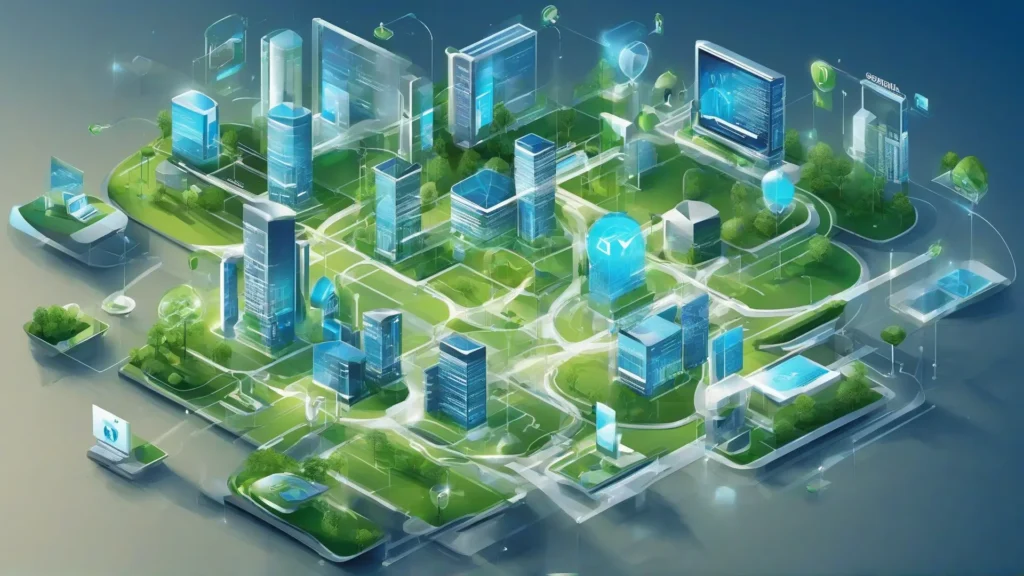
Sustainable web development is an approach to designing web services that prioritizes people and the planet. It aims to deliver digital products, services, and data that respect the principles of the Sustainable Web Manifesto: clean, efficient, open, honest, regenerative, and resilient. As the internet’s carbon footprint continues to grow, sustainable web design offers a pathway to reduce environmental impact while improving performance and usability.
What is Sustainable Web Design?
Sustainable web design is a hybrid blend of environmental conservation principles and performance-based web and usability standards. It focuses on creating digital products and services that minimize energy consumption, reduce waste, and promote sustainability. This approach not only benefits the environment but also enhances user experience and operational efficiency.
Why It Matters in 2025-2026
The internet currently produces approximately 3.7% of global carbon emissions, a figure that is rising in line with our increasing data consumption. By 2025, communications technology is expected to emit more carbon than any country except China, India, and the U.S. Sustainable web development is crucial to mitigate these environmental impacts and ensure a sustainable digital future.
Key Insights
- Environmental Impact: The internet’s carbon footprint is significant, with data centers consuming vast amounts of energy and water. Sustainable practices can help reduce these impacts.
- Performance Optimization: Sustainable web design emphasizes efficient coding, optimized images, and reduced HTTP requests to enhance performance and reduce energy use.
- Green Hosting: Choosing web hosts powered by renewable energy is one of the most impactful ways to reduce a website’s carbon footprint.
- User Experience: Sustainable design improves usability, ensuring that all users can accomplish tasks quickly and efficiently, which also reduces energy consumption.
Practical Implications for Developers and Teams
Developers can adopt several practices to contribute to sustainable web development:
- Optimize Images: Reduce file sizes and use modern formats to decrease bandwidth consumption.
- Minimize HTTP Requests: Combine files, use CSS sprites, and reduce the number of elements on a page to improve load times.
- Use Efficient Coding Practices: Write clean, concise code and leverage shared libraries to reduce redundancy and energy use.
- Choose Green Hosting: Opt for hosting providers that use renewable energy sources and have strong environmental policies.
- Implement Caching: Use caching strategies to reduce server load and improve page load speeds.
Conclusion
Sustainable web development is not just an environmental necessity but also a strategic advantage. By adopting sustainable practices, developers can create high-performing, energy-efficient websites that benefit both users and the planet. As the digital landscape continues to evolve, integrating sustainability into web development will be essential for building a greener, more resilient future.