Post
Building the Future: Immersive Web & 3D Experiences in 2025-2026
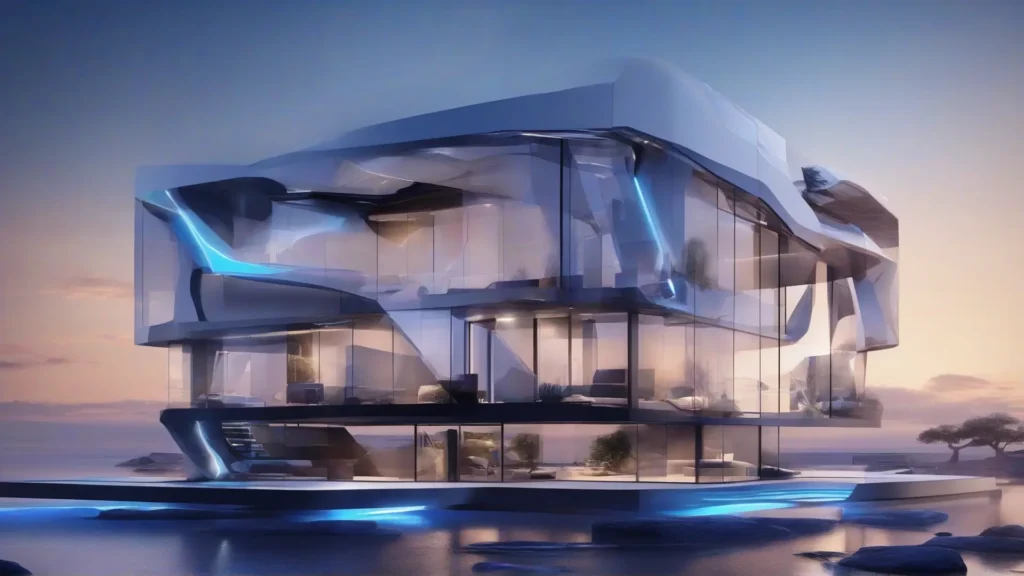
The web is evolving from flat pages to immersive, interactive 3D spaces. This shift is powered by the Immersive Web, which leverages the WebXR Device API to deliver virtual and augmented reality experiences directly in the browser. For developers in 2025-2026, understanding this landscape is crucial for building the next generation of web applications.
What is the Immersive Web?
The Immersive Web refers to virtual world experiences hosted through the browser. This covers entire virtual reality (VR) experiences surfaced in the browser or in VR-enabled headsets, as well as augmented reality (AR) experiences developed for AR-enabled mobile devices. It’s a spectrum from complete reality to a completely immersive VR environment, with various levels of AR in between. Examples include immersive 360° videos, data visualizations, home shopping, and art.
Why WebXR is the Future
WebXR is the foundational API that makes the Immersive Web possible. It succeeds the older WebVR API, offering a more extensible design that supports both VR and AR use cases. Key reasons for its adoption include:
- No app downloads required: Users access experiences via a simple URL.
- Cross-platform compatibility: One codebase works across Meta Quest, Apple Vision Pro, Samsung Galaxy XR, and mobile devices.
- Lower development costs: Web technologies reduce time-to-market compared to native apps.
- Easy sharing and distribution: No app store approval is needed.
Key Insights
- WebXR is the standard: The API is now supported across major browsers and hardware, moving beyond origin trials to stable, production-ready use. Developers should migrate from WebVR to WebXR for future-proof applications.
- Real-world value is proven: Use cases like e-commerce product visualization (increasing conversions by up to 94%), VR training (reducing costs by 50%), and virtual real estate tours are delivering measurable ROI, moving the technology from experimental to essential.
- Building requires new skills: While the core is WebGL and Three.js, developers must learn new concepts like XR sessions, frames of reference, poses, and input handling for controllers to create truly interactive immersive experiences.
Conclusion
The Immersive Web is no longer a concept; it’s a practical, growing platform for innovation. By leveraging WebXR, developers can create accessible, cross-platform 3D experiences that solve real problems in commerce, training, healthcare, and collaboration. The tools are mature, and the demand for immersive content is rising. The question for developers in 2025-2026 isn’t whether to adopt this technology, but how quickly they can build their first immersive experience.